
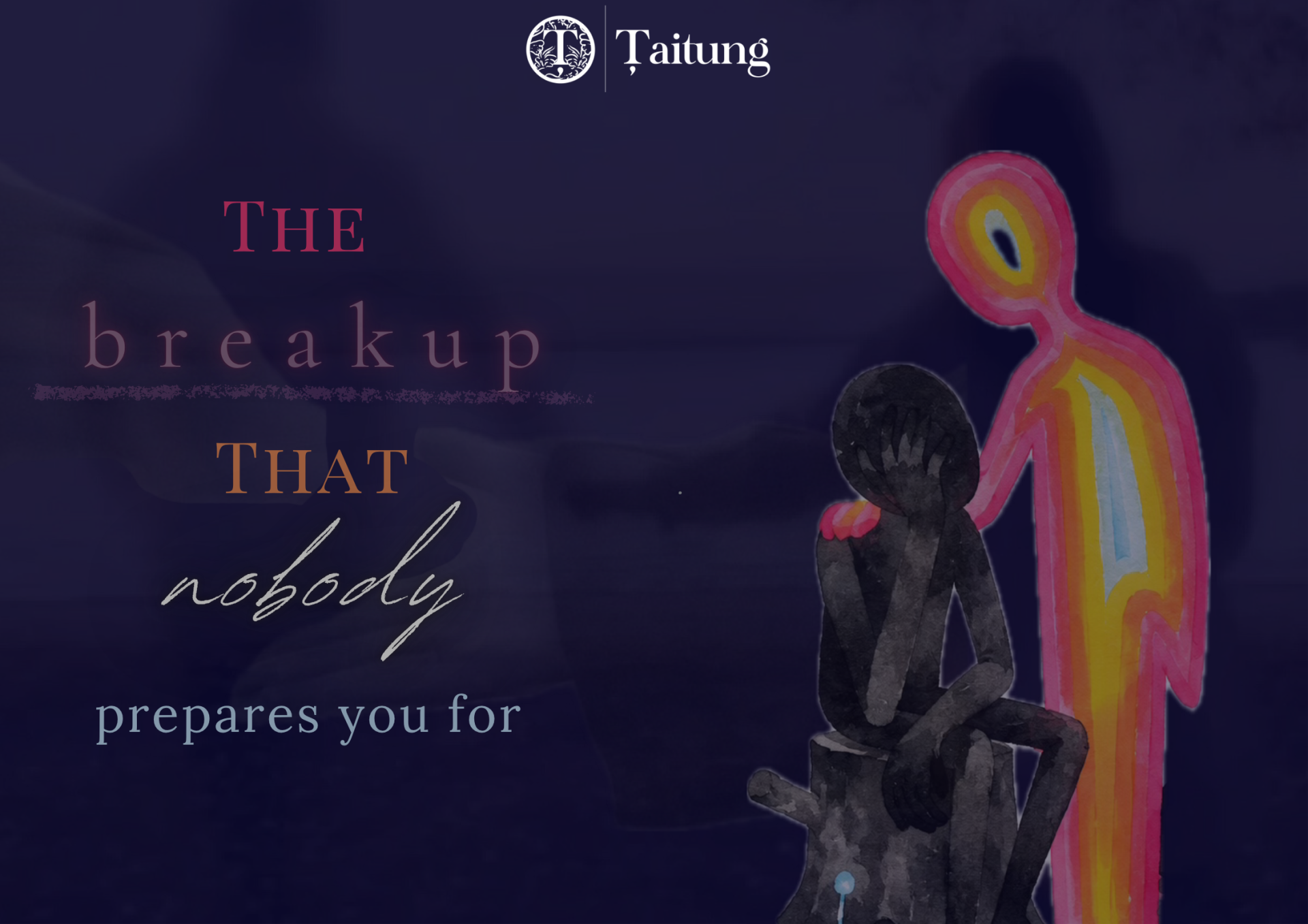
There is a topic that we don’t talk about enough: Friendship-breakup.
I’m sure everyone has gone through at least one such experience until now, yet very few talk about how difficult it can be. Friendship break-ups don’t get as much attention as romantic ones even though they happen much more often and can hurt just as much if not more.
How are we supposed to get over them? Is it normal to move from one friend group to another so quickly? Should we feel guilty when people drift away from our lives?
I think a lot of people are quietly asking themselves these same questions right now. Nobody teaches you how it’s like to lose people socially, rather than romantically.

Lately I started noticing how quickly my friendships change. I keep meeting new people while drifting away from others. It’s almost as if I just can’t seem to find “my family” or “people to call home”. But we seem to forget that friendships are neither static nor stable. A recent study argues that some children’s friendships end after only a few months or over the course of a single school year and it keeps going like this until you’re past the teenage years.
There are many ways to lose a friend. Teenagers are more likely to avoid (ghost) until the person gets the full picture. Studies show that ghosting turns out better than directly confronting the other person. Betrayal is the most common reason for such endings. You share with this person your deepest secrets and maybe they told other people about them, or they didn’t show up when you needed them, acted like your feelings didn’t matter. It doesn’t have to be about something that they said, it’s about what it takes from you: trust.
However, there are other reasons for a friendship breakup:
- loss of affection (your friend says something really cruel),
- transgression (They violate your rights or are being disrespectful),
- conflict of interest,
- support issues (Lack of companionship, invalidation, intrusive etc)
and there are other ways to end them aside from the “slow-death”, like level-headed confrontation. The approach depends on culture, gender, how safe we feel in the relationship, personality style and so on. People with more options for friends or higher self-esteem are more likely to be direct with the issue.

Nevertheless, this is a loss like any other. You still go through the 5 stages of grief:denial, anger, bargaining, depression, acceptance. According to neuro-science, the brain doesn’t really know the difference between emotional pain and physical pain.
When you experience rejection, such as ghosting, fighting, friend treating you like a stranger, some parts of your brain activate:
secondary somatic sensory cortex + dorsal posterior insula = responsible for experiencing actual physical pain.
If the person thinks that they caused the fallout, they may feel a lot more stress, anxiousness and even develop an eating disorder or depression.
Because the feelings are so intense such events can end up as traumatic experiences and can imbalance you so hard that you may have an identity crisis. They were part of your identity, losing them also means losing a part of yourself that only existed with them. You might feel a loss of validation and struggle to feel as confident as before. Habits start to change;maybe you used to hang out for coffee every morning or text before going to sleep. Without those interactions, it feels like something is missing from your life. If you used to be the planner or the “go-to for advice”, without them you might ask yourself: “Am I still that person?…”
Friends don’t just change your social life, they change your sense of self.
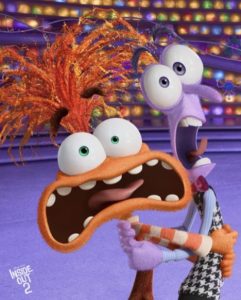
And yet instead of someone telling you to take it easy, people usually give you some basic answers: “You’ll meet some new people, it’s not like you guys were dating!”and that can add to the frustration.
Despite the fact that you might need to hear them say it’s over or maybe just one last talk so that you can tell them your side of the story, deep down you will always know the answer. Even if it might feel unfair to you, for them it might be the last straw. There might have been a lot of incidents leading up to it, therefore their choice is still valuable.
It is crucial that you do not lose yourself in the misery of the situation. And that you find a way to get over it all. There is no shame in seeking support to anybody and there are plenty other activities that can help you get over such incidents: writing a goodbye letter, clarifying your values (this can teach you a lot about yourself and what your worth as a human is), embracing new opportunities and a more recent one, deleting the chat with that person as a way to let go.
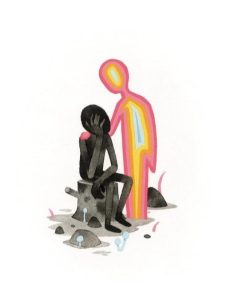
Not all friendships are meant to last forever just like not all romantic relationships are. It doesn’t mean that it’s a failure on your part and it definitely does not mean that you’re a bad person.
This isn’t a moral failure, there is no reason for you to feel any kind of shame about something that is completely normal. Each human is intricate in its one way, therefore when two people become friends it is equal to two universes collapsing together..
These breakups teach you about resilience, they show you that even when it gets hard you will always be able to pick yourself up.
At the end what matters deeply is to leave your heart open. You will meet lots of new individuals. Your life is really only at the beginning; this is the time to meet people and figure out what you like and what vibe suits you.
https://youtu.be/NWCT23bmN8M?si=P9s-d3Ur6QKzYUyv
https://youtu.be/_5gr7w7ME04?si=hV5XweYPeYy-VoyT
https://www.verywellmind.com/what-happens-in-your-brain-after-a-friendship-breakup-11935755
https://www.verywellmind.com/how-friendship-changes-throughout-life-11890016
https://www.jstor.org/stable/1130451?searchText=friendship+loss&searchUri=%2Faction%2FdoBasicSearch%3FQuery%3Dfriendship%2Bloss%26so%3Drel&ab_segments=0%2Fbasic_search_gsv2%2Fcontrol&refreqid=fastly-default%3Ad247bd7c129ab322bae2aa6c3c51c6d0&seq=1
https://www.jstor.org/stable/23093705?searchText=friendship+loss&searchUri=%2Faction%2FdoBasicSearch%3FQuery%3Dfriendship%2Bloss%26so%3Drel&ab_segments=0%2Fbasic_search_gsv2%2Fcontrol&refreqid=fastly-default%3Ad247bd7c129ab322bae2aa6c3c51c6d0&seq=1
https://journals.sagepub.com/doi/10.1177/02724316211002266
Autor

